
Moving Head Stage Lights: 5 Professional Installation Secrets for Breathtaking Venues
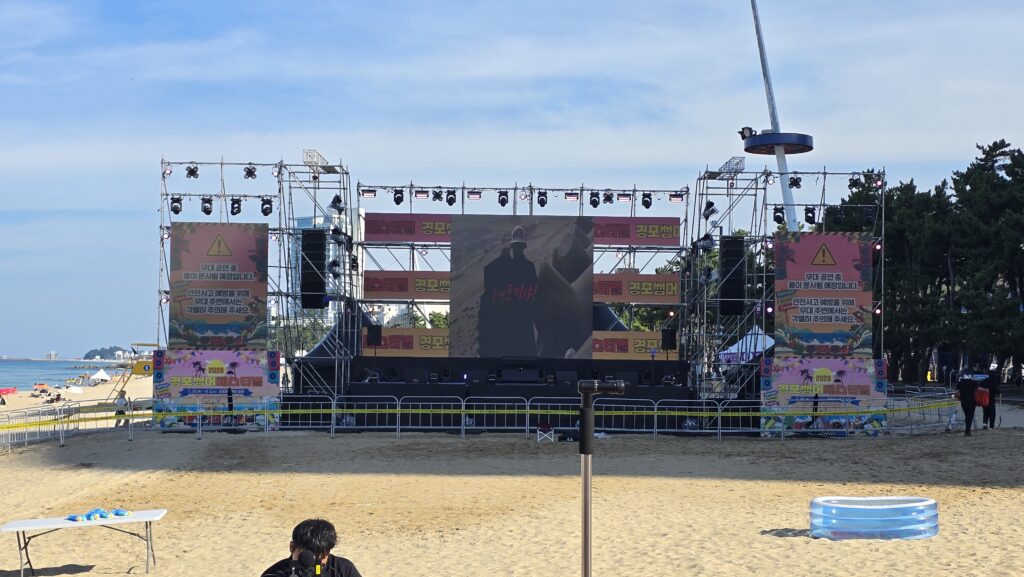
Creating a visually captivating atmosphere in modern live event production requires more than just standard static illumination. To truly capture the energy of a live crowd, lighting designers rely heavily on the dynamic agility of moving head stage lights (automated fixtures capable of panning, tilting, and projecting light dynamically across a stage space). Whether you are coordinating a high-octane rock concert, a delicate theatrical drama, or a corporate product launch, these programmable units act as the physical brushstrokes of your visual canvas.
Yet, simply hanging these units from a truss does not guarantee a memorable show. Achieving that breathtaking, professional-grade depth requires an intimate understanding of optics, spatial angles, and automated coordination. Let us dive deep into the technical secrets that turn basic setups into spectacular, immersive environments.
1. Mastering Angles with Moving Head Stage Lights
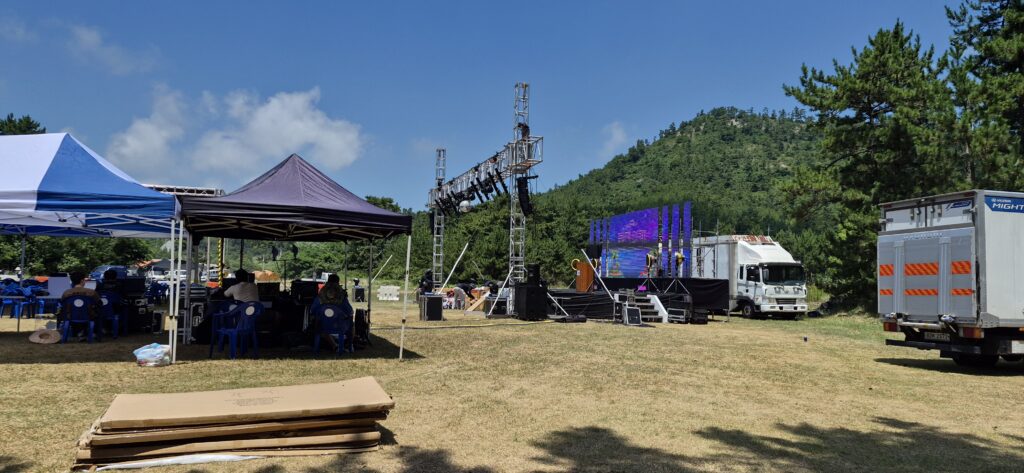
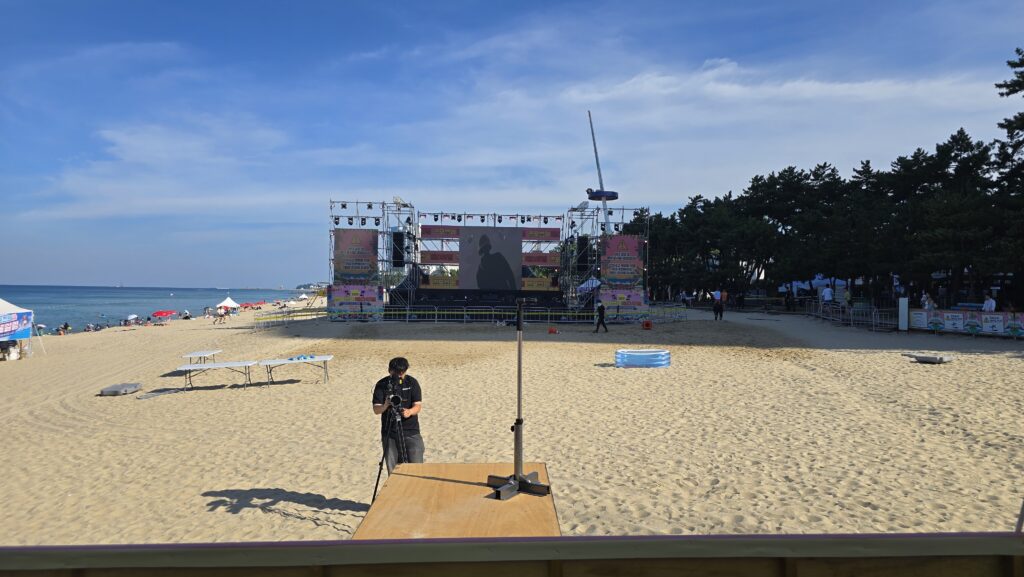
In the world of live theater and high-end concerts, the placement angle of your fixtures dictates how the audience perceives the performers. Traditional front wash lighting can often leave subjects looking flat and two-dimensional. By integrating moving head stage lights at specialized 45-degree vertical and horizontal offsets, you introduce three-dimensional molding shadows that accentuate facial expressions and set pieces.
For instance, in elegant theatrical dramas where emotional nuances are paramount, placing LED computer cutting lights like the PER-1000 or the PER-700 at side-stage high positions allows for precise facial definition. These framing fixtures feature an omnidirectional gobo cutting system (a specialized internal optical mechanism utilizing four independent motorized blades to crop and shape the output beam). This allows designers to keep light focused strictly on the actors while keeping the surrounding scenery completely dark, enhancing the dramatic tension without spilling light into the orchestra pit.
2. Choosing the Right Beam Type in Moving Head Stage Lights
Different performance genres demand completely different optical characteristics. For high-energy music festivals, the goal is often to slice through the darkness with sharp, high-intensity aerial effects. Here, narrow-aperture beam fixtures like the BEAM-380 or the newer BWS-380 are the undisputed champions. With a razor-thin beam angle (the measurement of the light cone’s narrowness and focus) of just 2 degrees, these units project dense, solid columns of light that dance in perfect synchronization with the music.
These beam units often utilize an original Osram lamp combined with a dual-prism system (a complex arrangement of rotating 16-facet and honeycomb prisms stacked together) to multiply a single intense beam into 11 distinct refractive patterns. Conversely, for worship sanctuaries or corporate speeches, a soft wash light or a high-CRI profile fixture is preferred. Color Rendering Index, or CRI (a quantitative scale measuring an artificial light source’s ability to reveal object colors faithfully in comparison to natural sunlight), is critical here to ensure skin tones look warm and natural on both camera feeds and live stages.
3. Calibrating DMX512 Channels for Moving Head Stage Lights
Every automated feature, from pan and tilt speeds to color-wheel rotations, is controlled via the DMX512 protocol (the universal standard digital communication network used to control stage lighting and effects). To prevent jitter and lag during complex fast-paced sequences, proper channel profiling is absolutely essential. Many modern moving head stage lights offer dual-channel modes, allowing technicians to switch between 16-channel basic operations and 42-channel high-precision modes.
Utilizing the higher-precision 16-bit scanning resolution ensures incredibly smooth pan (540-degree horizontal rotation) and tilt (270-degree vertical rotation) movements, eliminating the visible stepping or stuttering often seen in lower-grade setups. Furthermore, implementing RDM, or Remote Device Management (an extension of DMX512 that allows bidirectional communication, enabling technicians to configure address codes and monitor temperature sensors remotely), saves hours of troubleshooting on high truss lines.
4. Designing the Perfect Aerial Visuals with Moving Head Stage Lights
Breathtaking aerial effects are the hallmark of top-tier concert experiences. To achieve this, you must coordinate your beams with the ambient atmosphere. Without a fine mist of water-based haze or fog, even the most powerful moving head stage lights will remain invisible to the audience until they hit a solid surface. Incorporating a dynamic dynamic effect wheel (a specialized glass disc within the fixture that simulates flowing water or flickering flames) creates a tangible texture in mid-air when projected through a light haze.
By alternating slow, sweeping ballyhoos (a classic lighting programming technique where beams cross and move in wide, circular patterns) with sudden, rapid-intensity strobe chases, you build a narrative arc that matches the crescendo of the live performance.
5. Integrating Wash and Spot Elements with Moving Head Stage Lights
A common mistake in beginner setups is relying solely on intense beam lights, which can overwhelm the stage and create a chaotic mess of overlapping lines. A professional layout balancing spot, wash, and beam fixtures is key. For example, while beam units carve out the spatial architecture, high-power LED par lights like the LED-D543F are placed strategically as back-lighting elements to wash the stage floor in rich, saturated RGBW color tones.
For mobile stages where pulling extensive power cables is a challenge, wireless battery-powered par models like the LY-6012 can be deployed on the floor to up-light set pieces. This harmonious blending of elements ensures your moving head stage lights have a solid color foundation to pop against, turning a simple stage into a multidimensional, living environment.
Elevating Your Next Production with Moving Head Stage Lights
Ultimately, exceptional lighting design is about control, contrast, and emotion. By choosing the right combination of beam angles, high-CRI fixtures, and precision cutting lights, you can turn any physical space into a breathtaking sensory experience. To explore advanced stage designs and stay up to date with the latest industry standards, it is highly recommended to review the latest [dynamic stage rigging guidelines](https://stellar-stage.com) for safety and architectural layout templates.
Whether you are planning an intimate indoor performance or a massive open-air festival, investing time in proper calibration and fixture selection ensures your show remains unforgettable long after the final curtain falls.